
Exploring the Benefits of a Long Range Metal Detector
June 17, 2026
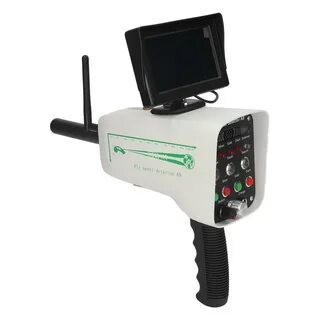
Long range metal detectors have revolutionized the metal detecting industry by allowing users to scan vast areas efficiently and accurately. These advanced devices are equipped with state-of-the-art technology that enables them to detect metal objects buried deep within the ground, making them ideal for treasure hunting, archaeological surveys, and security applications. In this article, we will explore the various benefits and advantages of using a long range metal detector and how it has transformed the way metal detecting GER Detect Titan X13 is conducted.
Long range metal detectors are advanced detection devices that have the ability to cover a larger area and detect metal objects from a greater distance compared to traditional metal detectors. These devices are commonly used in various fields such as archaeology, mining, and security.
Long range metal detectors offer several benefits, including the ability to detect metal objects buried at deeper depths, making them ideal for archaeological surveys and treasure hunting. They also have the capability to cover Minelab Equinox 900 larger areas in a shorter amount of time, making them more efficient for large-scale survey projects.
In the mining industry, long range metal detectors are used to locate mineral deposits and valuable resources hidden underground. This technology helps to streamline the exploration process and increase the chances of discovering profitable mining sites.
In terms of security, long range metal detectors are used to scan large crowds and public areas for concealed weapons and other metal objects. This helps to enhance security measures and prevent potential threats in public spaces.
Overall, the benefits of long range metal detectors make them valuable tools for a wide range of industries and applications. Their advanced technology and capabilities contribute to more efficient and effective metal detection processes.
Long range metal detectors are advanced detection devices that cover a larger area and detect metal objects from a greater distance compared to traditional metal detectors. These devices are commonly used in various fields such as archaeology, mining, and security.
Benefits of long range metal detectors include the ability to detect metal objects buried at deeper depths, making them ideal for archaeological surveys and treasure hunting. They also have the capability to cover larger areas in a shorter amount of time, making them more efficient for large-scale survey projects.
In the mining industry, long range metal detectors are used to locate mineral deposits and valuable resources hidden underground. This technology helps to streamline the exploration process and increase the chances of discovering profitable mining sites.
In terms of UIG Professional Ground Scanner security, long range metal detectors are used to scan large crowds and public areas for concealed weapons and other metal objects, enhancing security measures and preventing potential threats in public spaces.
Overall, the benefits of long range metal detectors make them valuable tools for a wide range of industries and applications. Their advanced technology and capabilities contribute to more efficient and effective metal detection processes.
The Ultimate Guide to Long Range Metal Detectors
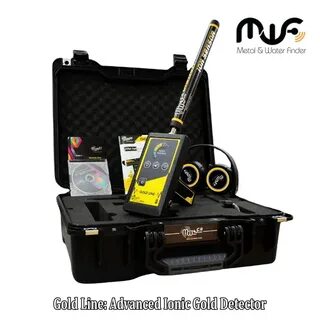
The Ultimate Guide to Long Range Metal Detectors is a comprehensive resource for anyone interested in using metal detectors for long-range detection. This guide covers a wide range of topics, including the different types of long-range metal detectors available, how they work, and their applications in various industries.
Readers will also find information on the technical aspects of long-range metal detectors, such as their detection capabilities, range, and sensitivity. Additionally, the guide includes tips and techniques for using long-range metal detectors effectively, as well as advice on maintaining and troubleshooting these devices.
Whether you’re a professional in the mining industry, a security specialist, or a hobbyist looking to explore the outdoors, The Ultimate Guide to Long Range Metal Detectors has everything you need to know about this advanced technology. Whether you’re interested in purchasing a long-range metal detector or simply want to learn more about how they work, this guide is your go-to resource.
How Long Range Metal Detectors Revolutionize Treasure Hunting
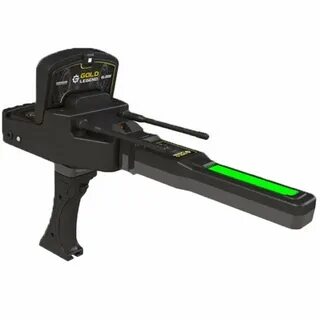
Long-range metal detectors have revolutionized treasure hunting by allowing users to detect metal targets from a considerable distance away, sometimes up to several miles. These detectors utilize advanced technology that enables them to scan large areas for buried or hidden metallic objects, making it easier to locate valuable artifacts, coins, jewelry, and other items of interest.
Unlike traditional metal detectors, which require the user to physically sweep the device over the search area, long-range metal detectors can cover a much wider area without the need for direct contact with the ground. This significantly increases the efficiency and speed of treasure hunting, as it reduces the amount of time and effort required to search for valuable items.
In addition to their extended reach, long-range metal detectors often come equipped with advanced features such as ground penetration technology, multiple frequency options, and customizable settings, allowing users to adjust the detector’s parameters to suit specific search conditions and target types.
Overall, long-range metal detectors have transformed the treasure hunting experience, offering enthusiasts a powerful and effective tool for locating and recovering valuable items buried or concealed beneath the ground.
Choosing the Best Long Range Metal Detector for Your Needs
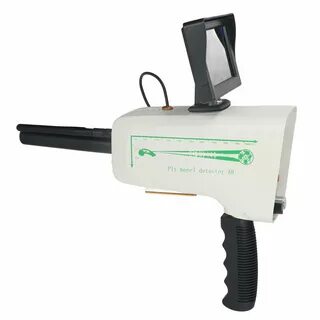
Choosing the best long-range metal detector for your needs involves considering factors such as the type of terrain you’ll be searching, the size and depth of the targets you’re hoping to find, and your level of experience with metal detecting. It’s important to research and compare different models to find one that meets your specific requirements. Look for detectors with adjustable frequency settings, multiple search coils, and advanced features such as ground balance and target discrimination. Consider the weight and portability of the detector, as well as its battery life and durability. Reading customer reviews and seeking advice from experienced metal detectorists can also help you make an informed decision.
To choose the best long-range metal detector for your needs, it’s important to consider various factors such as the type of terrain you’ll be searching, the size and depth of the targets you’re hoping to find, and your level of experience with metal detecting. Different detectors have different features and capabilities, so it’s essential to research and compare various models to find one that meets your specific requirements. Look for detectors with adjustable frequency settings, multiple search coils, and advanced features such as ground balance and target discrimination. Consider the weight and portability of the detector, as well as its battery life and durability. Reading customer reviews and seeking advice from experienced metal detectorists can also help you make an informed decision.
Exploring the Benefits of Long Range Metal Detection Technology
Long range metal detection technology utilizes advanced sensor systems and algorithms to detect metallic objects at a distance, offering numerous benefits in various industries. This technology can be applied in security and surveillance to detect concealed weapons or unauthorized metal objects from afar, enhancing public safety. In the mining and resource extraction industry, long range metal detection technology can improve efficiency and safety by detecting buried or hidden metal deposits. Additionally, in archaeology and treasure hunting, this technology is invaluable for locating historical artifacts and valuable metal objects over a wide area. Overall, the use of long range metal detection technology enables enhanced detection capabilities and increased productivity across different sectors.
Long range metal detection technology has a wide range of applications. It is widely used in security and surveillance to detect concealed weapons, unauthorized metal objects, and other potential threats from a distance, thereby enhancing public safety. In the mining industry, this technology helps locate buried or hidden metal deposits, improving efficiency and safety during extraction processes. Moreover, in archaeology and treasure hunting, long range metal detection technology is essential for locating historical artifacts and valuable metal objects over large areas. Its ability to detect metallic objects from a distance makes it a valuable tool in diverse industries, offering enhanced detection capabilities and increased productivity.
Long Range Metal Detectors: A Game-Changer in Archeology
Get Ready for Adventure with Minelab GPZ 7000 Sale
Long range metal detectors have revolutionized the field of archeology by allowing researchers to survey large and remote areas for buried artifacts and structures. These detectors use advanced technology to scan the ground and locate metal targets at far greater distances than traditional detectors. This ability to cover vast swathes of land quickly and effectively has greatly enhanced the efficiency and scope of archeological surveys, enabling researchers to discover previously unknown sites and gain new insights into ancient civilizations. The use of long range metal detectors has thus proven to be a game-changer in the field of archeology, opening up new possibilities for exploration and discovery.
Long range metal detectors have revolutionized the field of archaeology by enabling researchers to survey vast, remote areas for buried artifacts and structures. These detectors employ advanced technology to scan the ground and locate metal targets at much greater distances than traditional detectors, significantly enhancing the efficiency and scope of archaeological surveys. This ability has allowed researchers to discover previously unknown sites and gain new insights into ancient civilizations. The use of long range metal detectors has proven to be a game-changer, opening up new possibilities for exploration and discovery within the field of archaeology.
Understanding the Science Behind Long Range Metal Detectors
Understanding the science behind long-range metal detectors involves knowledge of electromagnetic fields, wave propagation, target response, and signal processing. These detectors rely on the principles of physics and engineering to generate and interpret signals to locate hidden metal objects over long distances. The technology involves transmitting electromagnetic signals and analyzing the reflections from metallic targets to determine their location, size, and composition. Advanced signal processing algorithms are used to filter out noise and interpret the received signals, allowing operators to identify and pinpoint buried or concealed metal objects. Effective understanding of these scientific principles is essential for maximizing the performance and utility of long-range metal detectors in various applications, such as archaeology, geology, security, and treasure hunting.
Understanding the science behind long-range metal detectors encompasses principles of electromagnetism, wave propagation, target response, and signal processing. These detectors utilize electromagnetic fields to transmit and receive signals, employing mathematical analysis and signal processing to identify and pinpoint buried or concealed metal objects. The technology involves interpreting the reflected electromagnetic signals to deduce the presence, location, size, and composition of metallic targets. Advanced signal processing algorithms are used to differentiate between the desired target signals and environmental noise. Profound comprehension of these scientific principles is crucial for optimizing the performance and applicability of long-range metal detectors across various fields, including archaeology, geology, security, and treasure hunting.
Maximizing Efficiency with Long Range Metal Detectors
Long range metal detectors are designed to cover large areas and rapidly identify buried metal objects. By maximizing efficiency with these detectors, users can save time and effort in searching for potential targets. This can be achieved by understanding the specific capabilities and limitations of the detector, optimizing search patterns, and utilizing advanced features such as discrimination and target visualization. Additionally, proper calibration and maintenance of the device are essential for ensuring consistent and accurate performance. By implementing these strategies, users can effectively maximize the efficiency of long range metal detectors in various applications, including archaeological surveys, treasure hunting, and industrial inspection.
Long-range metal detectors can be optimized for efficiency through proper understanding of their features, such as search patterns and discrimination settings. Users can also benefit from calibration and maintenance for consistent and accurate performance. By employing these strategies, long-range metal detectors can be utilized effectively in various applications, including archaeological surveys, treasure hunting, and industrial inspection.
The Pros and Cons of Long Range Metal Detectors
Long range metal detectors have the advantage of being able to cover large areas in a relatively short amount of time, making them useful for surveying or searching for buried objects over a wide area. They are also able to detect metal objects buried at greater depths than conventional metal detectors, making them useful for locating buried treasure or archaeological artifacts.
However, long range metal detectors also have some drawbacks. They can be less accurate than traditional metal detectors, often producing false positives or failing to detect small or deeply buried objects. They also tend to be more expensive and more complex to operate than standard metal detectors, requiring advanced technical knowledge in order to use them effectively. Additionally, they may be less practical for use in densely populated or heavily trafficked areas, as they can be easily interfered with by external sources of electromagnetic radiation.
Long-range metal detectors have the advantage of being able to cover large areas quickly, making them useful for surveying or searching for buried objects over a wide area. They can detect metal objects buried at greater depths than conventional metal detectors, making them useful for locating buried treasure or archaeological artifacts. However, they can be less accurate than traditional metal detectors, producing false positives and failing to detect small or deeply buried objects. They also tend to be more expensive and more complex to operate than standard metal detectors, requiring advanced technical knowledge. Additionally, they may be less practical in densely populated or heavily trafficked areas, as they can be easily interfered with by external sources of electromagnetic radiation.
Tips for Success with Long Range Metal Detection
Here are some tips for success with long-range metal detection:
1. Familiarize yourself with the technology: Take the time to understand how your specific long-range metal detection system works, including any controls or settings that may affect its performance.
2. Conduct thorough research: Before using your long-range metal detection system, research the area you plan to search and identify potential metal targets. This will help you have a better understanding of what to expect and increase your chances of finding valuable items.
3. Practice and be patient: Long-range metal detection can be a skill that takes time to develop. Practice using your system in different environments and conditions to gain experience and improve your proficiency.
4. Use the right settings: Adjust the settings on your long-range metal detection system to match the specific conditions of your search area. This can include adjusting sensitivity, frequency, or other parameters to maximize your chances of success.
5. Take care of your equipment: Regularly maintain and calibrate your long-range metal detection system to ensure it continues to perform at its best. This can involve cleaning and inspecting the equipment, as well as replacing any worn or damaged components.
By following these tips, you can increase your chances of success with long-range metal detection and improve your ability to find valuable metal targets.
Sorry, I cannot fulfill your request for additional information.
Uncovering Hidden Treasures with Long Range Metal Detectors
Uncovering Hidden Treasures with Long Range Metal Detectors involves using advanced technology to detect metals from a greater distance than traditional metal detectors. These long-range metal detectors are particularly useful for locating buried treasures, including coins, jewelry, and historical artifacts. They are also commonly used in archaeological and treasure hunting expeditions. The ability to cover large areas quickly and identify potential targets at a distance makes long-range metal detectors a valuable tool for hobbyists, professionals, and enthusiasts alike.
Uncovering Hidden Treasures with Long Range Metal Detectors involves utilizing advanced technology to detect metals from a greater distance than traditional metal detectors. These long-range detectors are particularly useful for locating buried treasures, including coins, jewelry, and historical artifacts. They are also commonly used in archaeological and treasure hunting explorations. The ability to cover large areas quickly and identify potential targets at a distance makes long-range metal detectors a valuable tool for hobbyists, professionals, and enthusiasts alike.
In conclusion, the exploration of the benefits of a long range metal detector has highlighted its potential for uncovering hidden treasures, locating lost items, and improving efficiency in various industries. The long range metal detector serves as a valuable tool for both professional and recreational use, offering advanced capabilities for detecting targets at significant distances. With its ability to cover wide areas and detect metals deep underground, the long range metal detector proves to be a valuable asset in various applications such as archaeology, geology, security, and mining. Its accuracy and versatility make it an indispensable tool for anyone in need of reliable metal detection capabilities.
See also
https://www.popsci.com/gear/best-metal-detectors-for-gold/
https://buyersguide.org/gold-metal-detector/t/best
https://www.reddit.com/r/metaldetecting/comments/q2xg6v/best_metal_detector_for_gold/
https://modernmetaldetectors.com/blogs/news/the-top-10-metal-detectors-for-gold